A Complete Guide to Choosing the Right Fridge or Freezer
Energy‑efficient appliances—especially fridges and freezers—are becoming increasingly popular as households look for ways to cut energy bills and reduce carbon footprints. But are they more expensive, and how do you choose the right model? Here’s a clear, SEO‑optimised guide to help you make an informed decision.
1. Understanding Modern EU Energy Labels
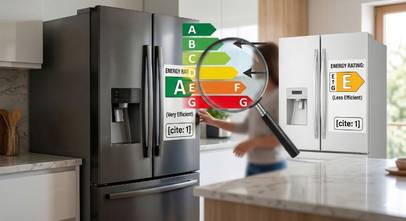
The EU reintroduced a simplified and updated energy label system in March 2021, replacing the older A+, A++ and A+++ format with a straightforward A–G scale (A = most efficient, G = least efficient).
This update helps consumers better differentiate between products, as many older labels clustered at the top end. [en.wikipedia.org]
Fridges and freezers must now display:
- Energy efficiency class (A–G)
- Annual energy consumption (kWh)
- Storage volume
- Noise emissions
[energy-eff….europa.eu]
This means an appliance previously labelled A++ could now appear as an E under the new system—without being any less efficient. The purpose was to leave the top A and B categories mostly empty to encourage future technological innovation. [en.wikipedia.org]
2. Are Energy‑Efficient Appliances More Expensive?
Energy‑efficient models often cost slightly more upfront, but they save significantly more money over their lifetime through reduced energy consumption.
Given that a fridge or freezer runs 24 hours a day, choosing a higher‑efficiency model has a major impact on long-term costs. [beko.com]
As of the latest EU label reset:
- Most common fridge‑freezer models fall into the E or F classes.
- This corresponds closely to the former A+ and A++ range. [eccbelgium.be]
This shift in labels may make appliances appear less efficient than before, but the actual energy performance remains the same.
3. How to Choose the Right Size
Size matters in energy efficiency. Larger compartments require more energy to cool.
Experts recommend choosing the appliance capacity that fits your household instead of buying the largest model available. [beko.com]
Oversized fridges waste energy, while undersized ones may run harder to stay cool.
4. Why Energy Efficiency Matters
Energy labels have been one of the EU’s most successful tools for:
- Helping consumers compare efficiency
- Encouraging manufacturers to innovate
- Reducing energy consumption across the continent
[energy-eff….europa.eu]
More than 90% of consumers recognise energy labels, and a majority use them to make buying decisions. [energy-eff….europa.eu]
5. Reducing Energy Consumption Even Further with SavaControls
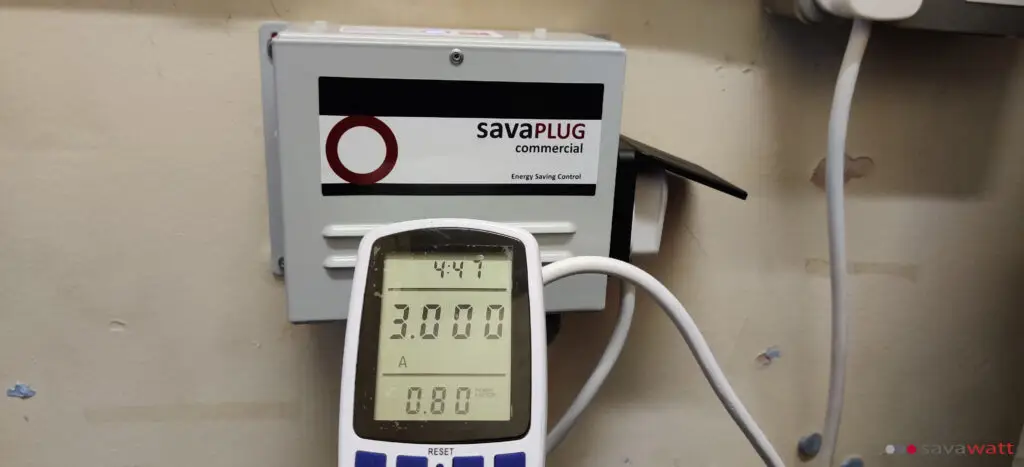
Even with an energy‑efficient fridge or freezer, businesses and organisations can reduce consumption further using SavaControls from www.savawatt.com
SavaControls:
- Reduce energy consumption of refrigeration and motor‑driven appliances
- Optimise compressor start‑up cycles
- Lower operational energy waste without affecting performance
This makes them ideal for:
- Commercial kitchens
- Schools, hospitals, retail, offices
- Any location with always‑on refrigeration units
Combining an efficient appliance with SavaControls gives maximum savings and faster payback on investment.
6. Final Thoughts
Energy‑efficient fridges and freezers may come with a slightly higher purchase price, but the long‑term savings—along with lower environmental impact—make them a smart investment.
To get the best results:
- Check the new A–G energy label.
- Choose the right size for your needs.
- Enhance efficiency with SavaControls for even greater energy savings.